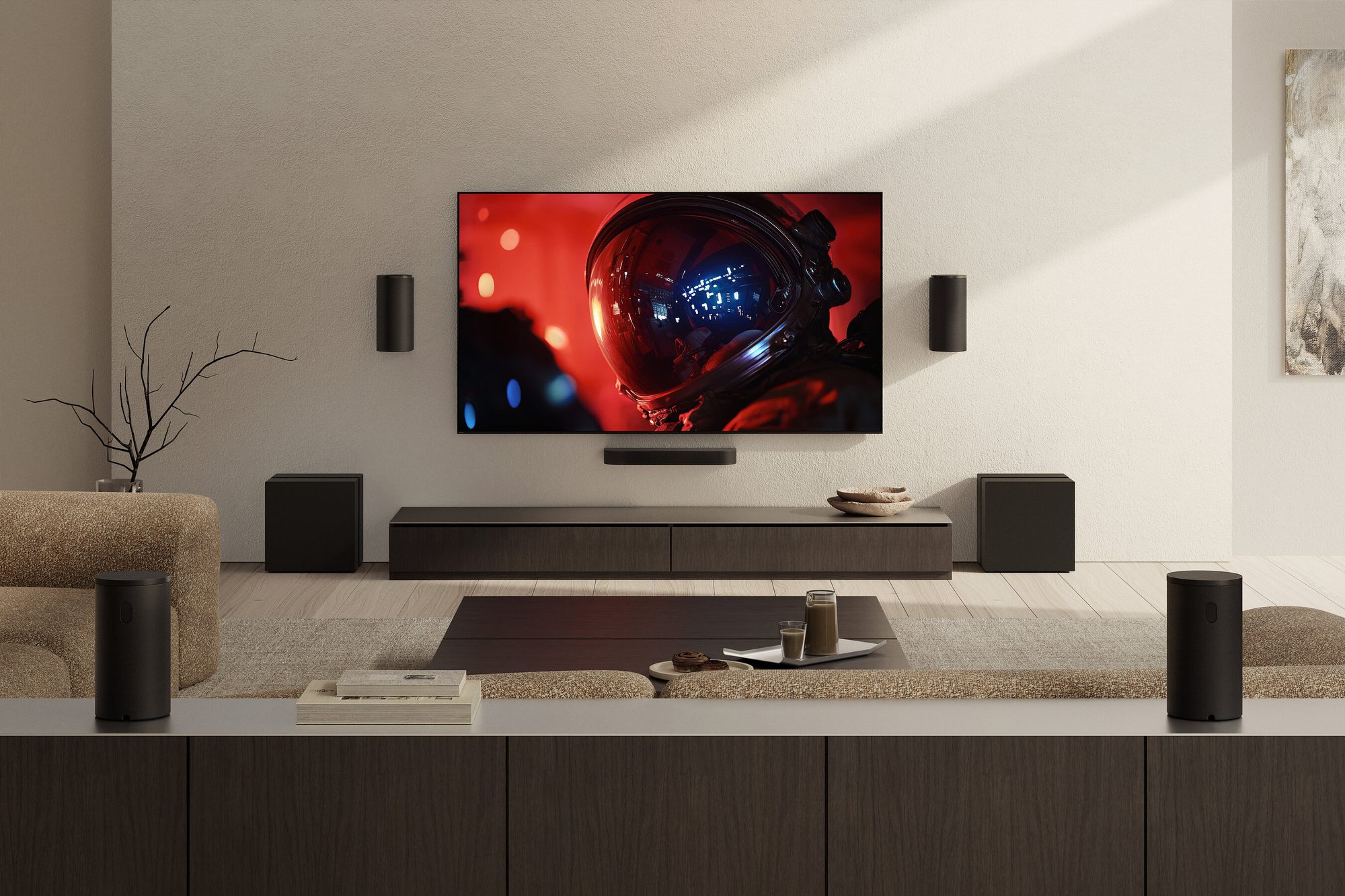
The largest televisions, planned into the room
Sony and Samsung now build televisions of 98 to 115 inches that hold up in a sunlit great room. We choose the right one, get it into the house and make it disappear when it is off.
The short answer
What is the biggest TV you can put in a home?
The largest consumer televisions sold in the US today are 115 inches, from Sony (BRAVIA 9 II) and Samsung (Micro RGB). Below that sit 98 and 100 inch models. Past 115 inches you move to modular MicroLED or direct view LED walls, such as Samsung The Wall, which reach 146 inches and beyond. Each step up changes the delivery, structure and power plan.
For years the choice in a family room was a 75 or 85 inch television or a projector. That has changed. Sony and Samsung both sell televisions of 98 to 115 inches, and at those sizes a flat panel starts to feel like a screen rather than a piece of furniture. In a bright room, it is often the best picture you can buy.
The size brings its own problems. A 115 inch Sony weighs about 235 pounds without its stand and ships in a carton roughly nine feet long. It has to come up the driveway, through a door, around a corner and onto a wall built to carry it. The screen needs power, ventilation, a path for signal and a plan for sound, and it needs to look right in a room your architect and designer have worked hard on.
That is the work we do. We help you choose between Sony and Samsung, between 98, 100 and 115 inches, and between a television, a video wall and a projector. Then we plan the wall, the delivery, the speakers and the calibration so the finished room looks intentional on the day it is installed.
The brands we specify
Large Format TVs from the makers we trust
We are an authorized dealer for every manufacturer on this page.
Films from the makers
Large Format TVs on film
Films made by the manufacturers we install. Press play and they run right here on the page.
Sony | May 2026
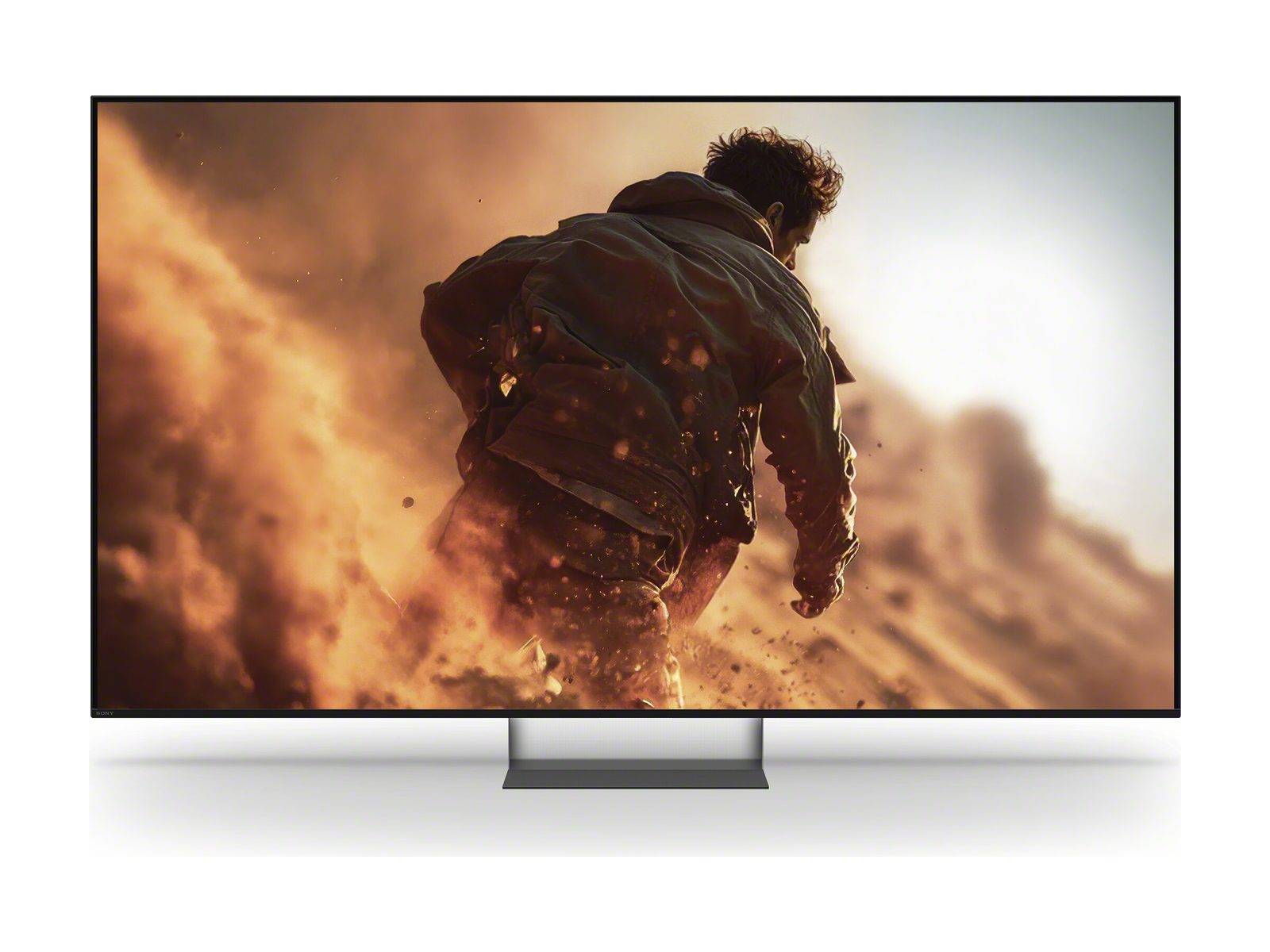
BRAVIA 9 II
Sony's official film for the BRAVIA 9 II, its flagship True RGB television.
Film by Sony. It plays here on the page.
Why 98 inches and up changes a room
Screen size grows faster than the number suggests. A 98 inch 16:9 screen is about 85 inches wide and 48 inches tall. A 115 inch screen is about 100 inches wide and 56 inches tall, roughly 38 percent more picture than a 98. Going from an 85 inch to a 115 inch television nearly doubles the area of the image.
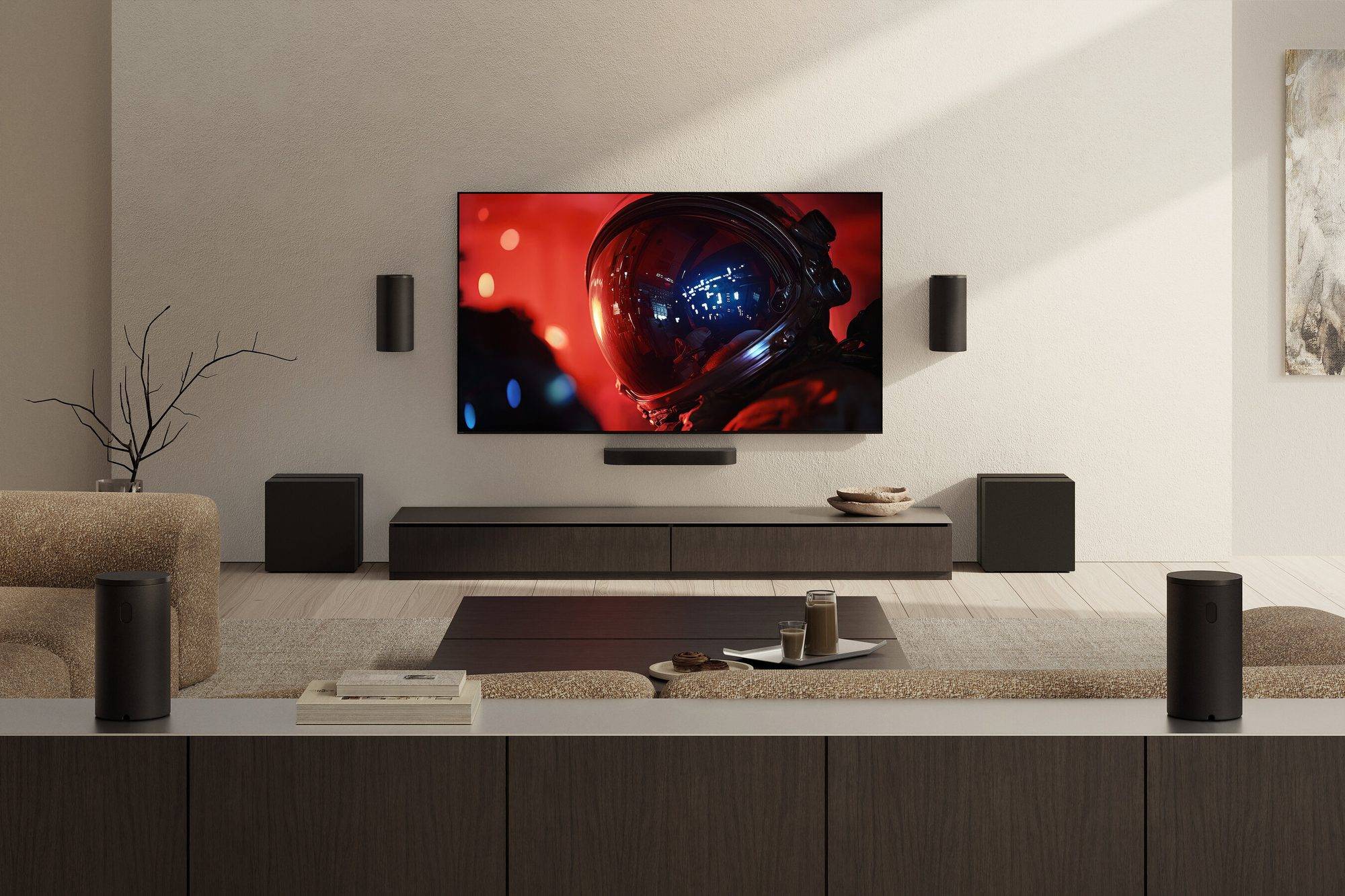
That changes where people sit. At 98 to 115 inches, the main seats can be 10 to 15 feet back and still see a cinematic image, which suits the scale of a great room or a lower level family room. It also changes what the wall is for. A 115 inch screen is a piece of architecture, so we draw it into the elevation with the millwork, sconces and speakers rather than hanging it where the old set was.
Mini LED, True RGB, Micro RGB, OLED and MicroLED
Almost every television of 98 inches and up is an LCD with an LED backlight. A standard Mini LED set, like the Sony BRAVIA 5 or Samsung QN80H, uses thousands of small white or blue LEDs behind the panel, grouped into dimming zones. The newest sets replace those with separate red, green and blue LEDs. Sony calls this True RGB (BRAVIA 9 II and BRAVIA 7 II). Samsung calls it Micro RGB. The result is wider, purer color and better control of brightness in each part of the picture.
OLED televisions have pixels that make their own light and perfect black, but the largest current OLEDs from Sony and Samsung stop well short of 98 inches. MicroLED, such as Samsung The Wall, is also self-emissive, built from modules, and scales far larger, at a very different cost and installation.
- Mini LED: bright, durable and the most attainable route to 98 or 100 inches.
- True RGB and Micro RGB: the current flagship LCD technology, at 98 to 115 inches.
- MicroLED walls: self-emissive, modular and built for 110 inches and beyond.
Getting a 100 inch TV into the house
Most installation problems with a giant television happen before it reaches the wall. Sony lists the 115 inch BRAVIA 9 II carton at about 110 by 71 inches and roughly 390 pounds packed. That carton must stay upright, so we measure every door, turn, stair and ceiling on the route before anything is ordered, and we plan the crew size for the carry.
Older New England homes are the hard case. Narrow front stairs, tight landings in antique houses, low basement doorways and small condominium elevators can each stop a delivery. When the route will not work, the answer may be a different room, a window or slider removed for the day, a smaller size, or a video wall that arrives in modules.
- Measure the carton, not the screen. Packaging adds inches on every side.
- Check elevator interior height and diagonal, and freight elevator booking rules.
- Plan the stair turns with the carton on edge, as it must travel.
- Confirm who removes the packaging and where it goes.
Wall structure, mounting and power
A 98 to 115 inch television puts a large load on a small area, and a tilting or articulating mount levers that load away from the wall. We specify blocking between the studs, or a steel backer in metal framed or masonry walls, located from the manufacturer's VESA pattern (1,000 by 700 millimeters on the 115 inch Sony) and the mount maker's template. In new construction, we put that on the framing drawings.
Behind the screen we plan a recessed box for power and signal, a dedicated circuit where the equipment rack or the set calls for it, conduit large enough for future cables and room for the set to shed heat. A flush mount looks best, but it needs space behind for cables and air.
Picture in bright New England great rooms
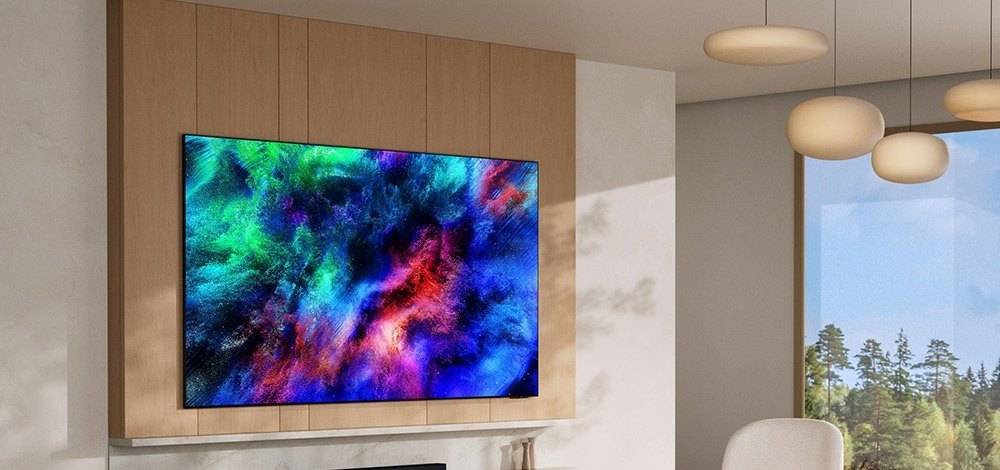
Great rooms with walls of glass, white oak floors and reflective water views are where large televisions earn their place. A projector washes out in that light. A flagship LCD keeps its contrast, and the newest anti-glare finishes help with reflections. Samsung says its 115 inch Micro RGB is independently verified as Glare Free by UL.
Light still matters. Low winter sun across a lake or the harbor will hit the screen at an angle no coating can fix. We study where the sun falls through the day, set the screen height and tilt, and integrate motorized shades so one button tames the room for a film or a game.
Sound for a giant TV without a soundbar
Built-in speakers and a soundbar are designed for a set half this size. On a 115 inch screen, voices should come from the image and effects from around the room. We usually build left, center and right speakers into the wall or millwork around the screen, add in-ceiling height speakers for Dolby Atmos and place subwoofers where they disappear into cabinetry.
The television sends audio to a processor or receiver in the rack over HDMI eARC, or every source runs through the processor first. Our home theater audio page covers the speakers and processing we use.
Hiding the screen: art frames, lifts and panels
A dark rectangle eight feet wide can dominate a room when it is off. There are four good ways to manage it. A motorized art frame lifts a painting or canvas to reveal the screen. A lift raises the set from a cabinet or lowers it from the ceiling. Sliding or bifold panels close over a recessed set. Or the screen shows art itself, which is the idea behind Samsung The Frame, now offered at 98 inches.
Each needs to be planned with the millwork: recess depth, ventilation, service access and the weight of the screen. Lifts and frames at these sizes are specialty products, so we confirm they are rated for the exact model before the cabinetry is drawn.
Large screen options compared
| Option | Image size (approx.) | Best for | What to plan |
|---|---|---|---|
| 98 inch TV | 85 by 48 inches | Family rooms and media rooms viewed from about 10 to 13 feet | Wall blocking, delivery route, sound |
| 100 inch TV | 87 by 49 inches | The same rooms, with a little more presence | Wall blocking, delivery route, sound |
| 115 inch TV | 100 by 56 inches | Great rooms and lower levels viewed from about 11 to 15 feet | Carton size, crew, structure, power |
| MicroLED or LED video wall | 110 to 200 inches and up | Bright rooms that want a true cinema scale image | Structure, power, cooling, assembly on site |
| Projector and screen | 120 to 200 inches | Dedicated, light controlled theaters | Darkness, throw distance, screen and speakers |
Featured products
Flagships we design rooms around
Guides
Large Format TVs questions, answered

Large Format TVs questions
What is the largest TV Sony makes?
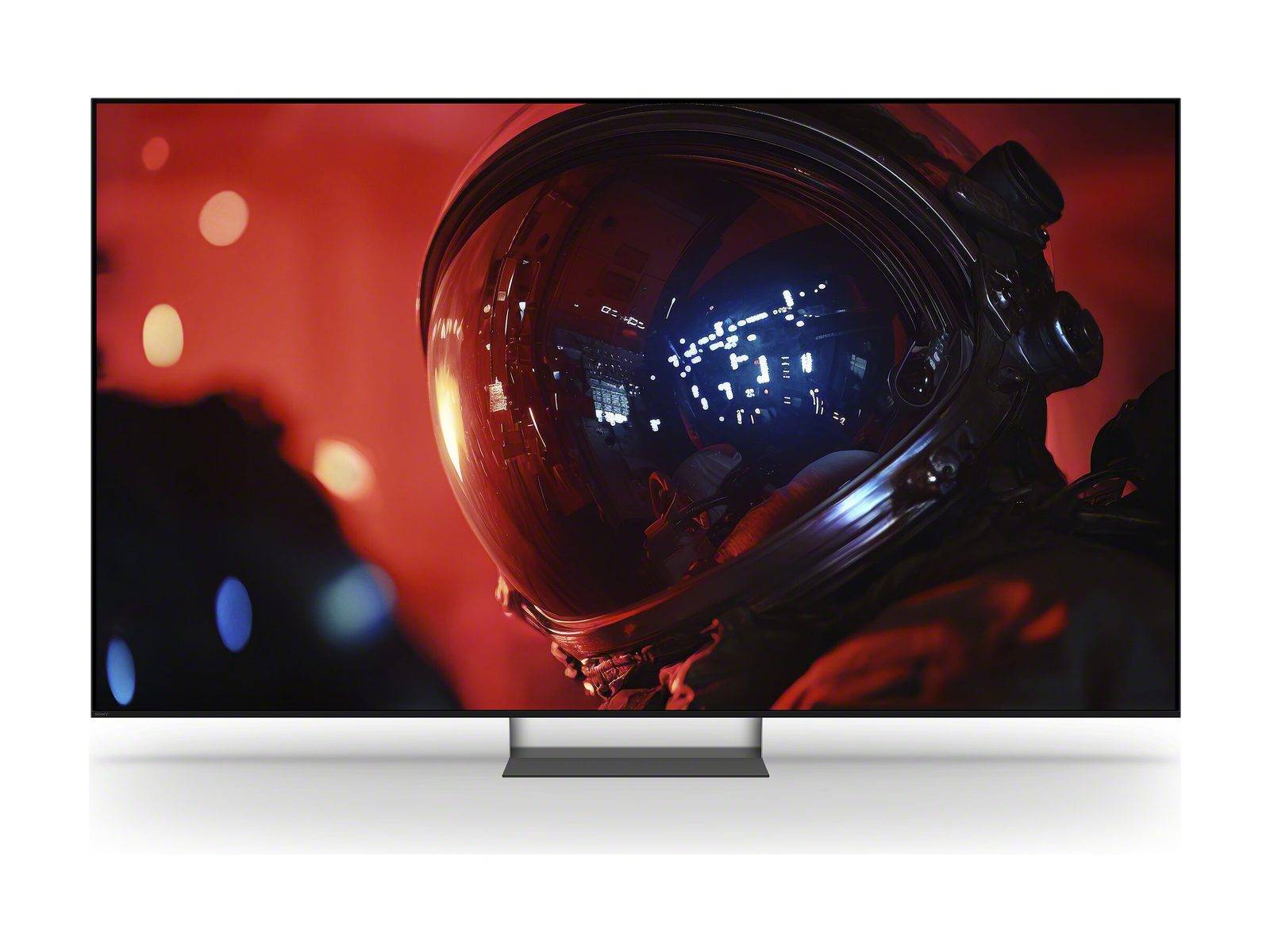
Sony's largest current consumer television is the 115 inch BRAVIA 9 II, a True RGB model announced in May 2026. Sony also offers a BRAVIA 9 II Pro version of the 115 inch for custom installers. Its largest 98 inch models are the BRAVIA 7 II and BRAVIA 5.
What is the largest TV Samsung makes?
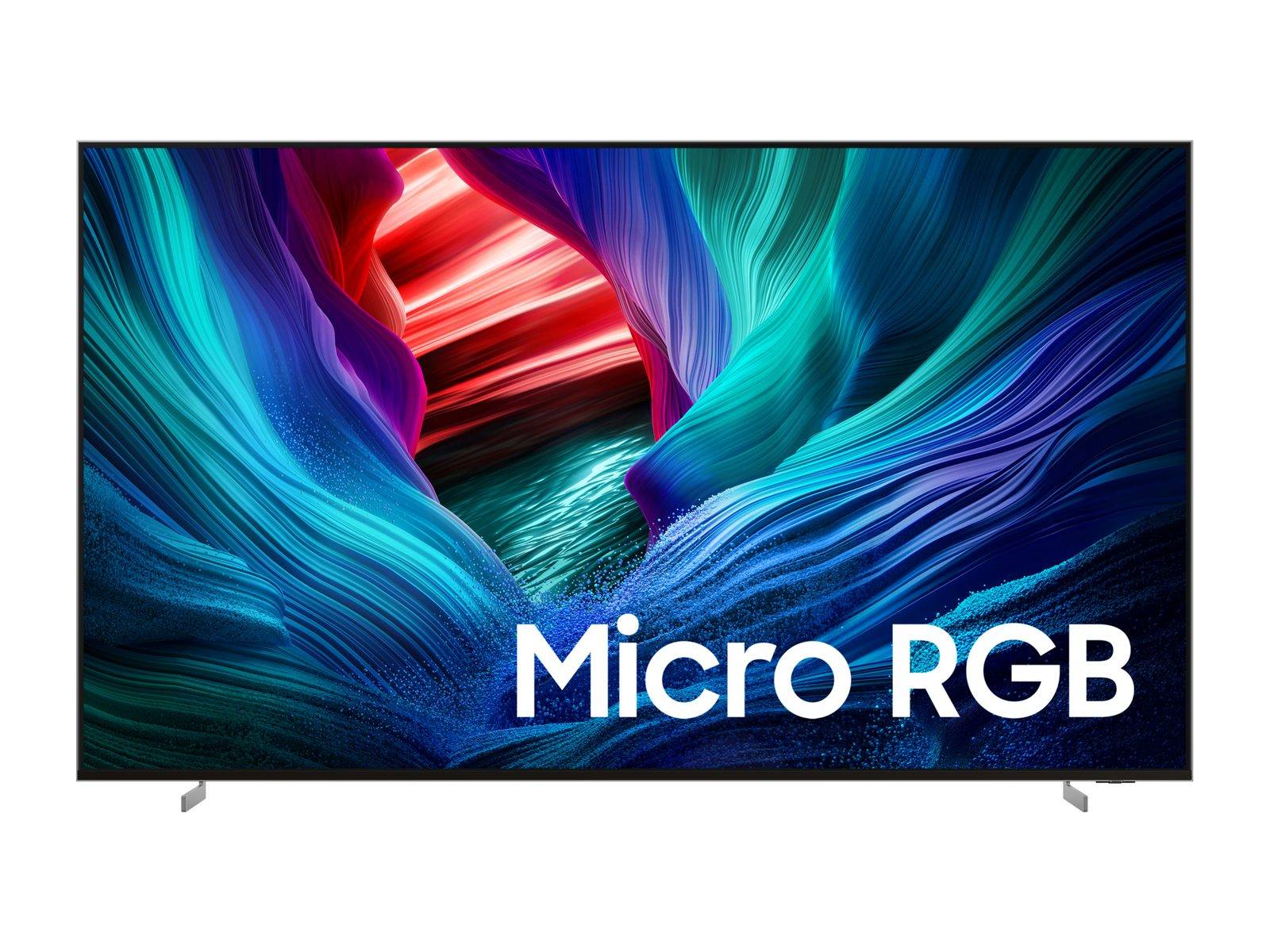
Samsung's largest television in the US is the 115 inch Micro RGB. Samsung showed a 130 inch Micro RGB at CES 2026, but at the time of writing we have not seen a confirmed US release. Beyond that, Samsung The Wall is a modular MicroLED display offered in sizes such as 110 and 146 inches.
How much does a 115 inch TV weigh?
Sony lists the 115 inch BRAVIA 9 II at about 235 pounds without its stand and about 390 pounds in its carton. That is why we plan the delivery route, the crew and the wall blocking before the television is ordered.
Will a 100 inch TV fit through my front door?
It depends on the carton, the door, and every turn after it. Large televisions ship upright in cartons several inches larger than the screen on each side, and they cannot be laid flat. We measure the full route, including stairs and elevators, before we recommend a size.
Is a 115 inch TV better than a projector?
In a bright room, yes. A flagship 115 inch television keeps deep contrast and color with the shades open, where a projector washes out. In a dark, dedicated theater, a projector and acoustically transparent screen gives a much larger image with the speakers hidden behind it.
Do Sony and Samsung TVs support Dolby Vision?
Sony's BRAVIA models support Dolby Vision, HDR10 and HLG. Samsung's televisions support HDR10+, HDR10 and HLG, and do not support Dolby Vision. Both handle every HDR source; they simply use different dynamic metadata formats.
Can a 98 inch TV go above a fireplace?
It can, but at that size the center of the screen ends up very high, which strains necks over a long film. A motorized mount that pulls the screen down and forward helps. We also check the heat above the firebox and the structure of the chimney breast before recommending it.
Keep exploring
A conversation about your theater
Tell us about the room, the way your family watches, and the feeling you want when the lights go down. We will bring CinemaTech's design team, our engineers and a plan.
Or call us at (781) 333-8003