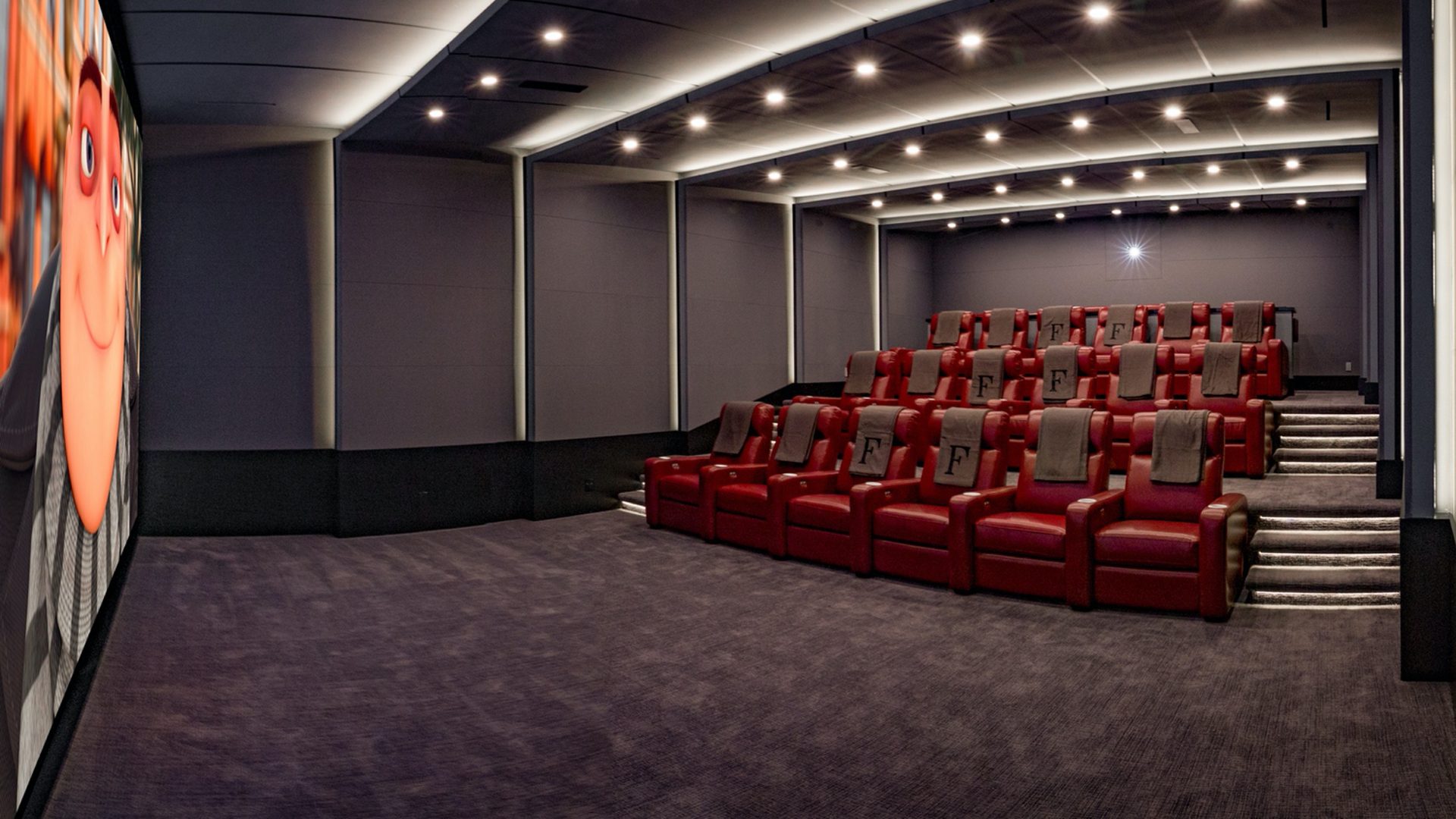
Sound designed for the room, then made to disappear
We build cinema sound from four manufacturers we trust: Wisdom Audio and James Loudspeaker for speakers, JL Audio for bass, and StormAudio for processing and power.
The short answer
What makes a luxury home theater sound system different?
It is designed as one system for one room. Speakers are chosen for the seating plan and how they will be hidden, several subwoofers are placed to give even bass in every seat, and a dedicated immersive processor with room correction ties it together. The final step is calibration with measurements across every seat, not just the center one.
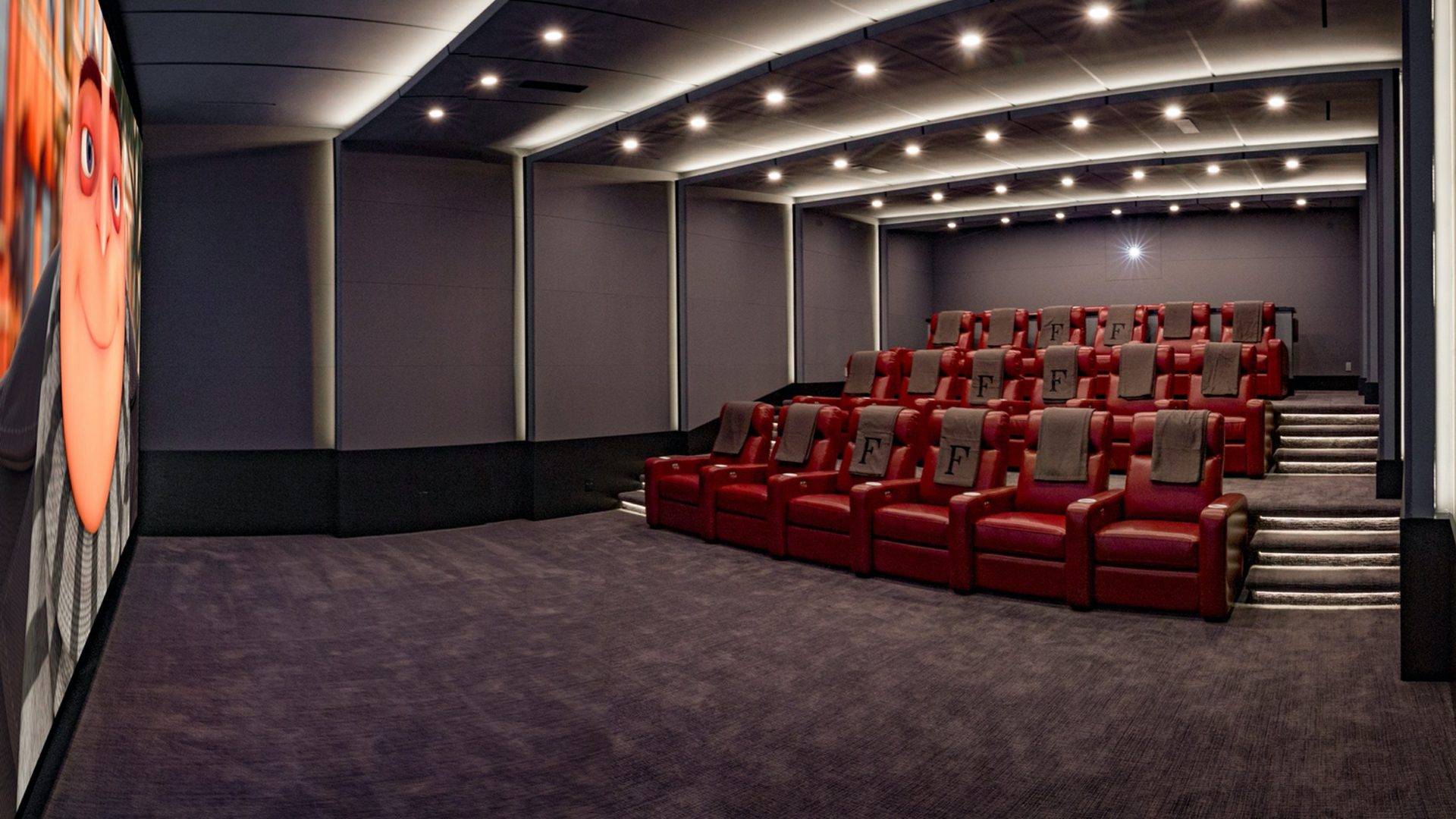
Most of what you hear in a private cinema is decided before a speaker is ordered. The size of the room, the number of rows, the screen, the ceiling height and the walls all shape the sound. We start there, and the speakers, subwoofers, processor and amplifiers follow from the plan.
We design with four manufacturers. Wisdom Audio builds planar magnetic line source speakers in Carson City, Nevada, for rooms where the goal is reference sound behind the screen. James Loudspeaker, part of Sonance, builds custom and architectural speakers that disappear into walls, ceilings and landscapes. JL Audio builds sealed subwoofers with very low distortion and very deep extension. StormAudio, in France, builds the immersive processors and multichannel amplifiers that run the whole system.
Every system ends the same way: measured, corrected and calibrated in the room, with the seats filled by real listening, not just a microphone in the center seat. In 2024 Boston Automations received the 2024 Sonance + James Loudspeaker Project of the Year (Designed to Disappear), which recognizes technology hidden with care inside great architecture.
The brands we specify
Home Theater Audio from the makers we trust
We are an authorized dealer for every manufacturer on this page.
Films from the makers
Home Theater Audio on film
Films made by the manufacturers we install. Press play and they run right here on the page.
Wisdom Audio | June 2020
The Wisdom Audio factory theater
The large Sage Cinema theater at the Wisdom Audio factory, with line source speakers, subwoofers and the amplifiers that drive them.
Film by Wisdom Audio. It plays here on the page.
Choosing speakers for the room
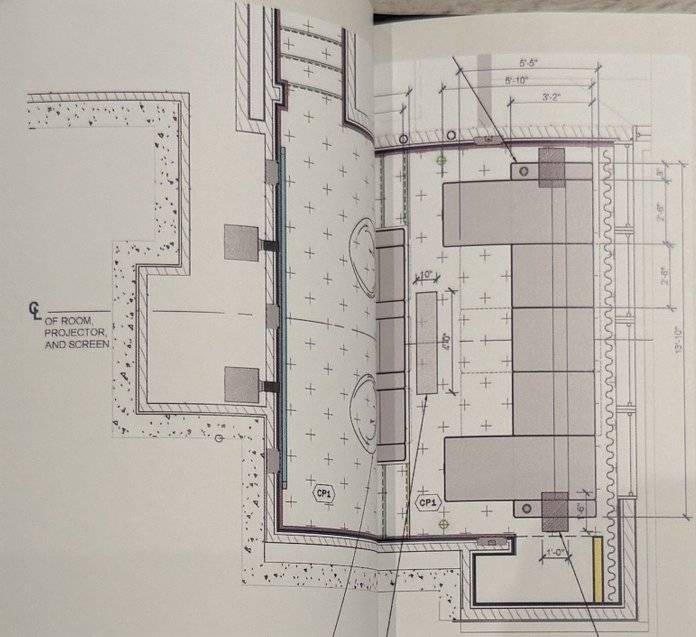
A speaker that measures beautifully in a showroom can sound wrong in your room. Distance to the seats, the number of rows, how much the walls reflect and how loud you like films all change what the right speaker is. A long, narrow theater with three rows needs speakers that keep their tone and level from the front row to the back. A media room with an open plan needs speakers that put dialogue on the screen without flooding the kitchen.
So we choose speakers from the drawings. The screen size and seating plan set the positions. The positions set the coverage each speaker needs. The construction, whether a baffle wall, an acoustic fabric wall or finished plaster, sets how each one is mounted and hidden.
Planar and line source speakers vs cone speakers
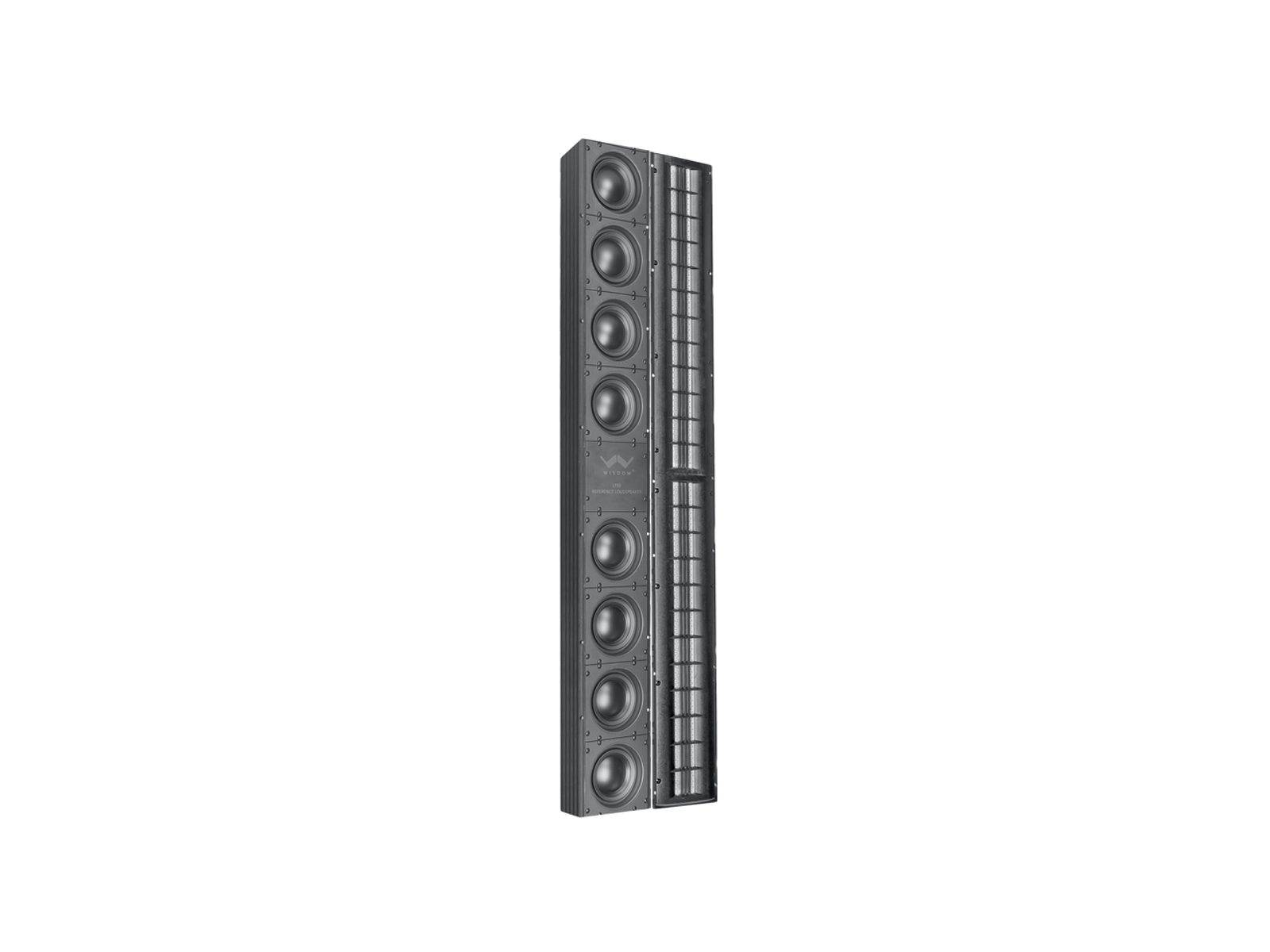
Most speakers use cones and domes driven at one point by a voice coil. Wisdom Audio uses planar magnetic drivers instead: a thin film with a conductor bonded to it, suspended between magnets, so the whole surface moves at once. The film is very light, which gives fast, detailed sound with low distortion.
Wisdom arranges these drivers as tall vertical lines, called line sources. A tall line spreads sound across the width of the room while sending less of it toward the floor and ceiling, so there are fewer reflections and the level changes less from the front row to the back. Cone speakers are still the right answer in many rooms, especially where depth or budget is tight. Our guide to planar magnetic speakers covers the trade-offs.
Bass done properly with multiple subwoofers
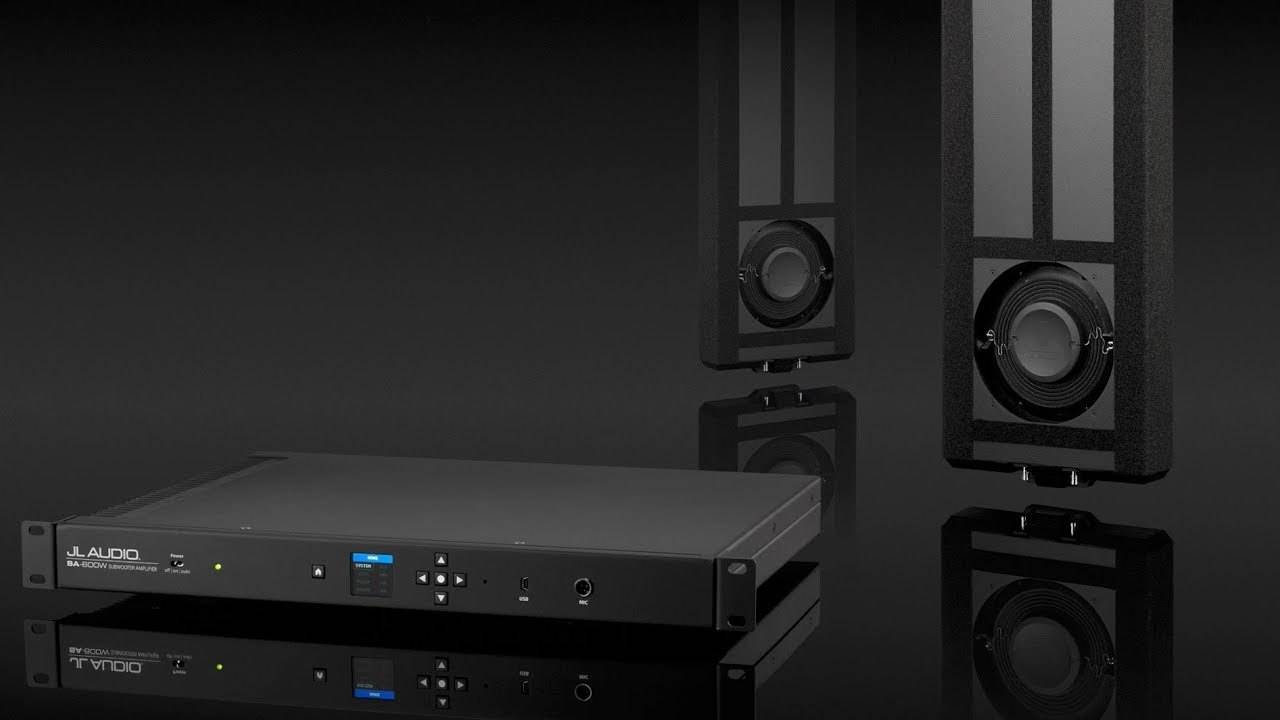
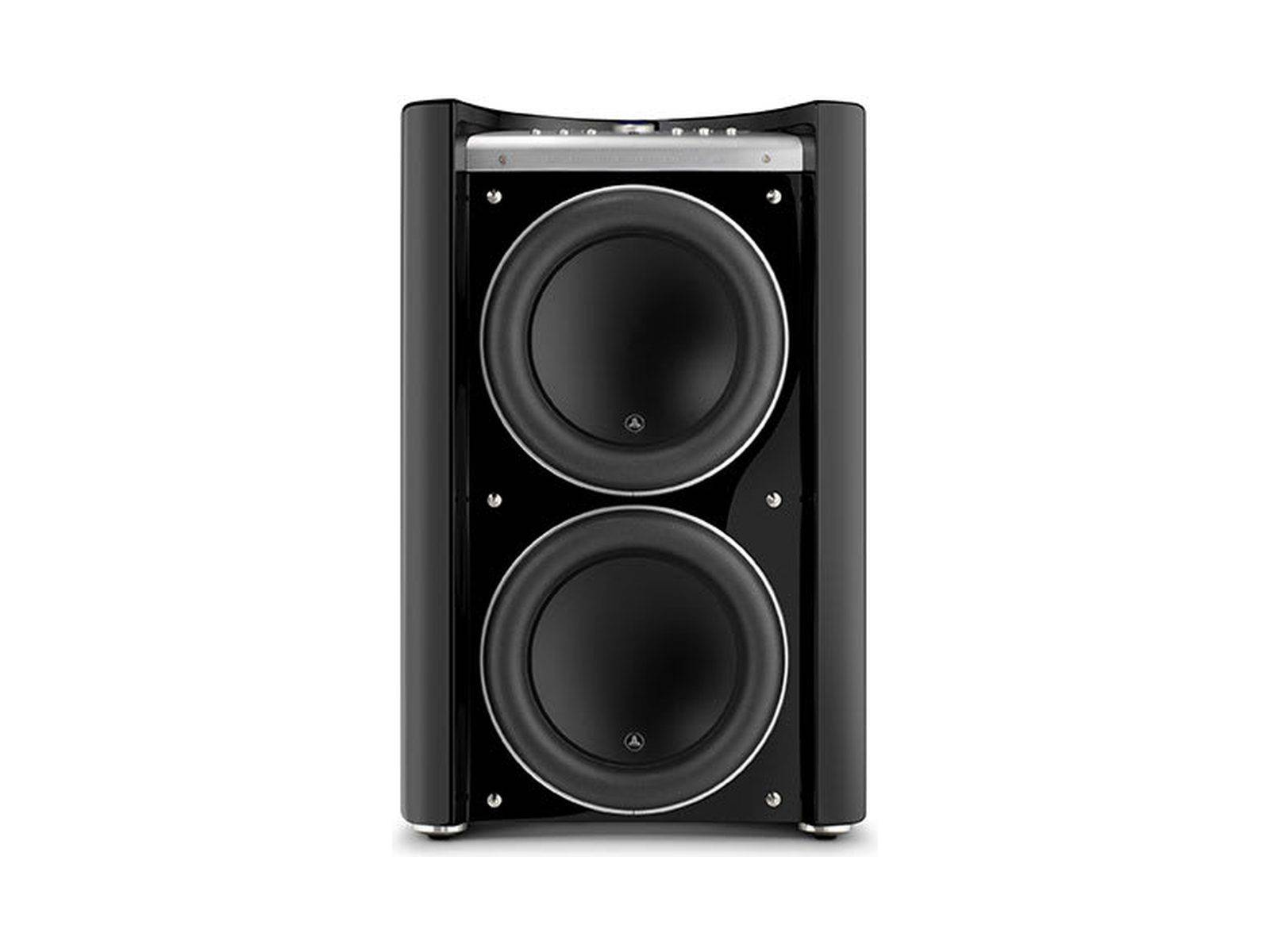
Bass is where most theaters fall short. Low frequencies bounce between the walls and stack up in some seats while cancelling in others, so one subwoofer can sound huge in one chair and thin two chairs over. Adding more subwoofers in the right places smooths that out, which is why our dedicated theaters usually have two to four, and sometimes more.
We favor sealed subwoofers with plenty of headroom, such as JL Audio's Fathom and Gotham models and Wisdom's STS, and we integrate them with the processor so bass is tight, even and matched to the main speakers.
- Positions planned from the seating layout before construction
- Matched subwoofers so every one can share the work
- Room correction and bass optimization across all seats
Processing and room correction
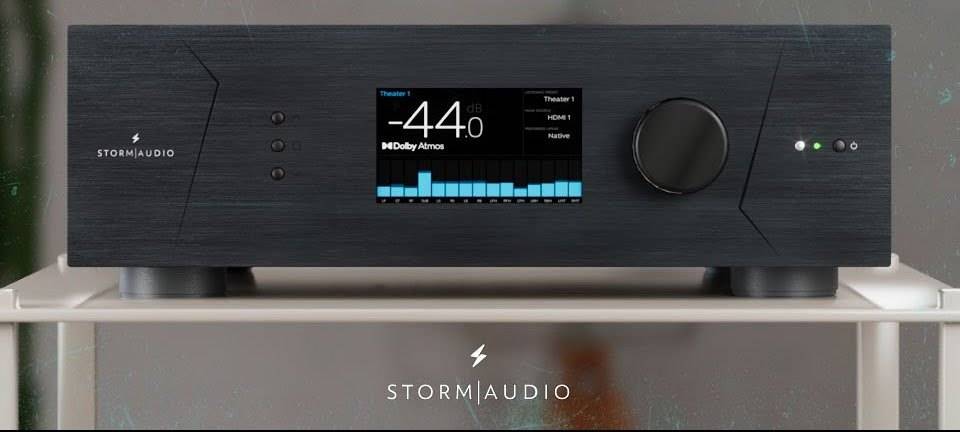
The processor decodes Dolby Atmos, DTS:X, Auro-3D and IMAX Enhanced soundtracks, sends each sound to the right speaker, manages bass and corrects for the room. In a high channel count theater it is the most important box in the rack.
We specify StormAudio processors because they handle very large speaker counts, decode every major immersive format, and include Dirac Live room correction, Dirac Bass Control and Dirac Live Active Room Treatment. ART uses every capable speaker and subwoofer together to control bass resonances and decay, something one subwoofer at a time cannot do.
Amplification with headroom
Films are dynamic. A quiet scene can jump to an explosion in a fraction of a second, and an amplifier that runs out of power at that moment clips and sounds harsh. We size amplification for your room, your seating distance and how loud you like to listen, with enough headroom that the peaks stay clean.
StormAudio's PA 16 MK3 drives sixteen channels from one chassis, and two channels can be bridged for speakers that need more power. Wisdom systems use dedicated amplification for each section of each speaker, so the woofers and planar drivers each get their own channel.
Hidden speakers for living spaces
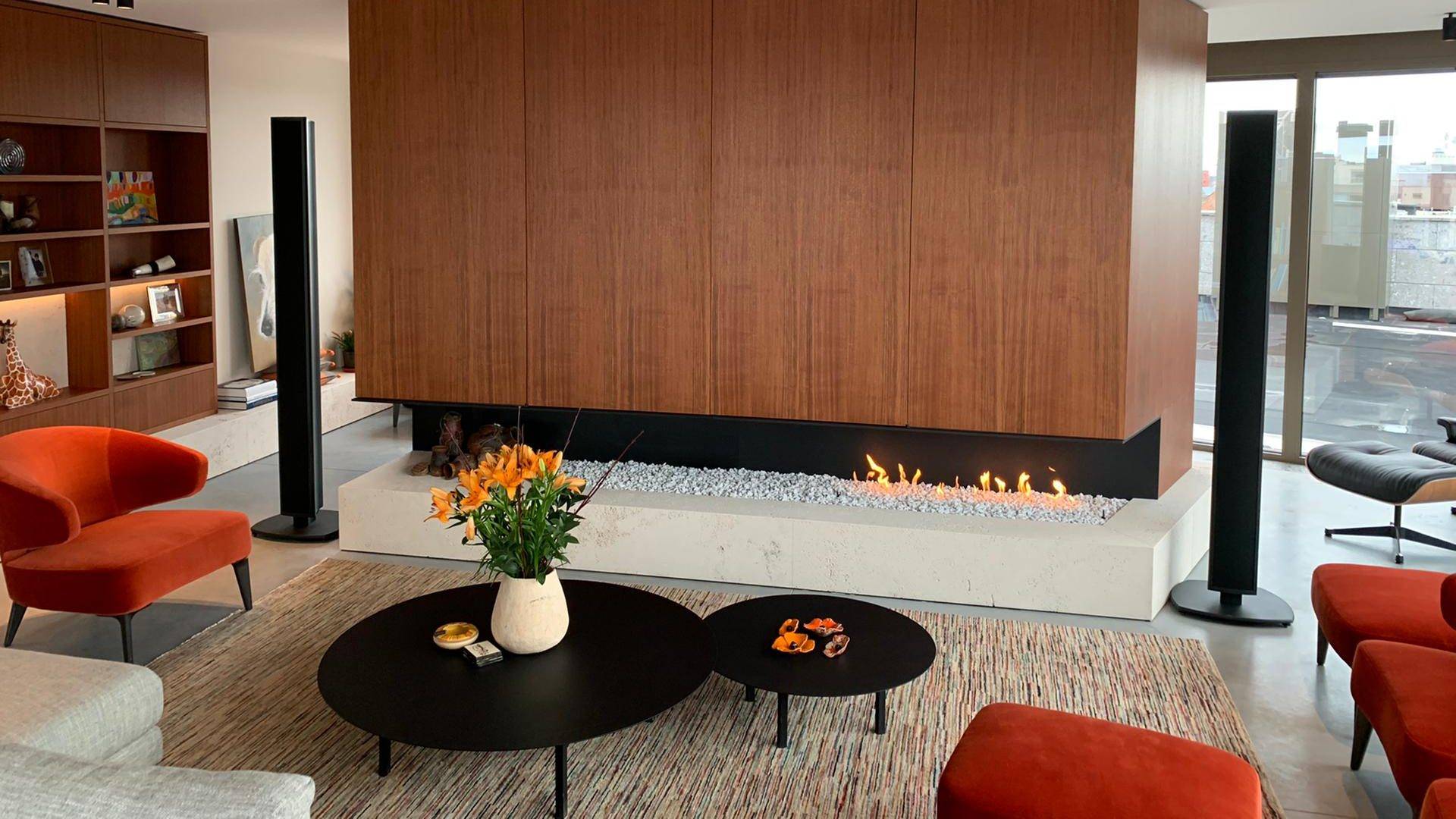
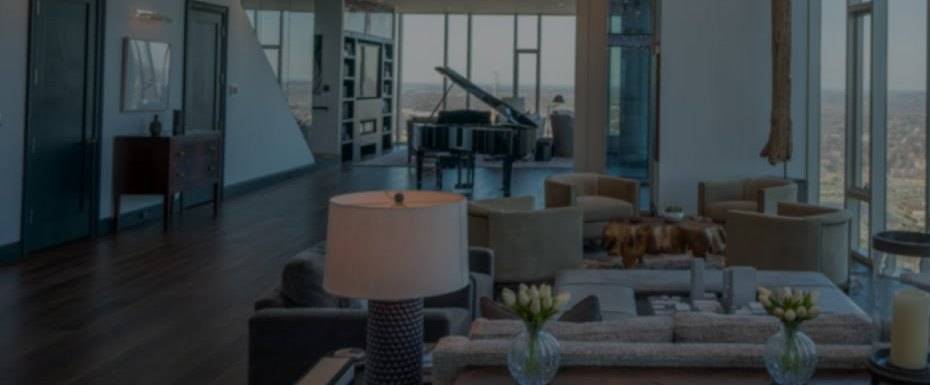
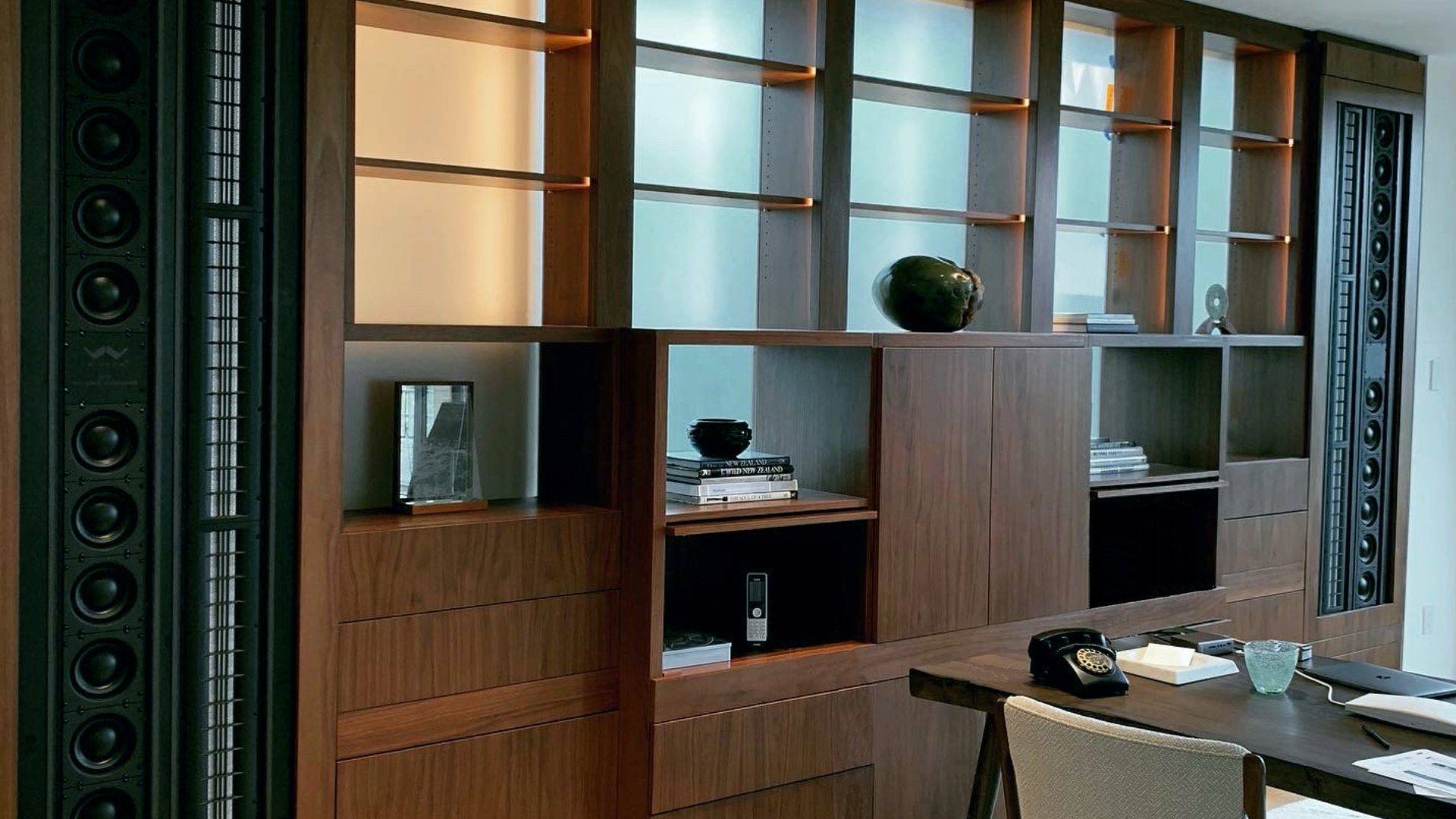
In a living room, a library or a kitchen, the best speaker is the one nobody notices. James Loudspeaker builds small aperture in-ceiling speakers with openings as small as three inches and trimless grilles that are finished into the ceiling, and hidden subwoofers that vent bass into the room through a small grille. For terraces and gardens, James outdoor speakers and towers are built from aluminum and stainless steel for weather.
These rooms still get real sound. We plan positions with the architect and interior designer so speakers land where the sound needs them and the room still looks the way it was drawn.
Immersive formats
A modern private cinema plays Dolby Atmos, DTS:X, Auro-3D and IMAX Enhanced soundtracks. Each places sound above and around you, but they do it differently, and they ask for slightly different speaker positions. We design the layout so the room plays all of them well, and we calibrate the processor so you never have to think about which format a film uses.
Where we use each brand
| Brand | What it does best | Where we use it |
|---|---|---|
| Wisdom Audio | Planar magnetic line source speakers and high output subwoofers | Screen walls and surrounds in dedicated reference cinemas |
| JL Audio | Sealed subwoofers with deep extension and built in room optimization | Bass for theaters and media rooms, freestanding or in-wall |
| James Loudspeaker | Custom, architectural and outdoor speakers designed to disappear | Media rooms, living spaces, whole home audio and landscapes |
| StormAudio | Immersive processors with Dirac room correction, and multichannel amplifiers | The processing and power behind every immersive system we build |
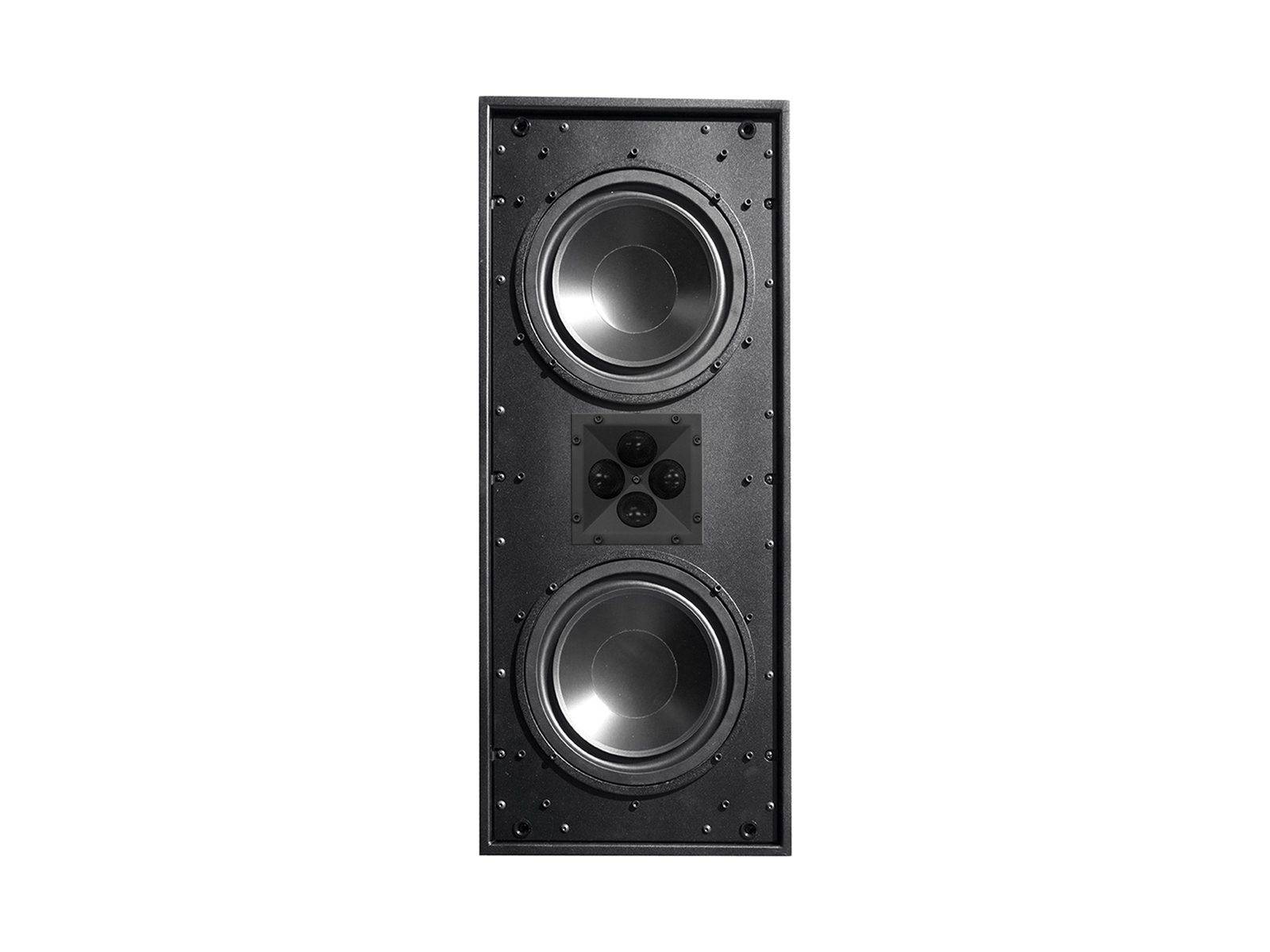
Featured products
Flagships we design rooms around
Guides
Home Theater Audio questions, answered

Home Theater Audio questions
Can theater speakers be completely hidden?
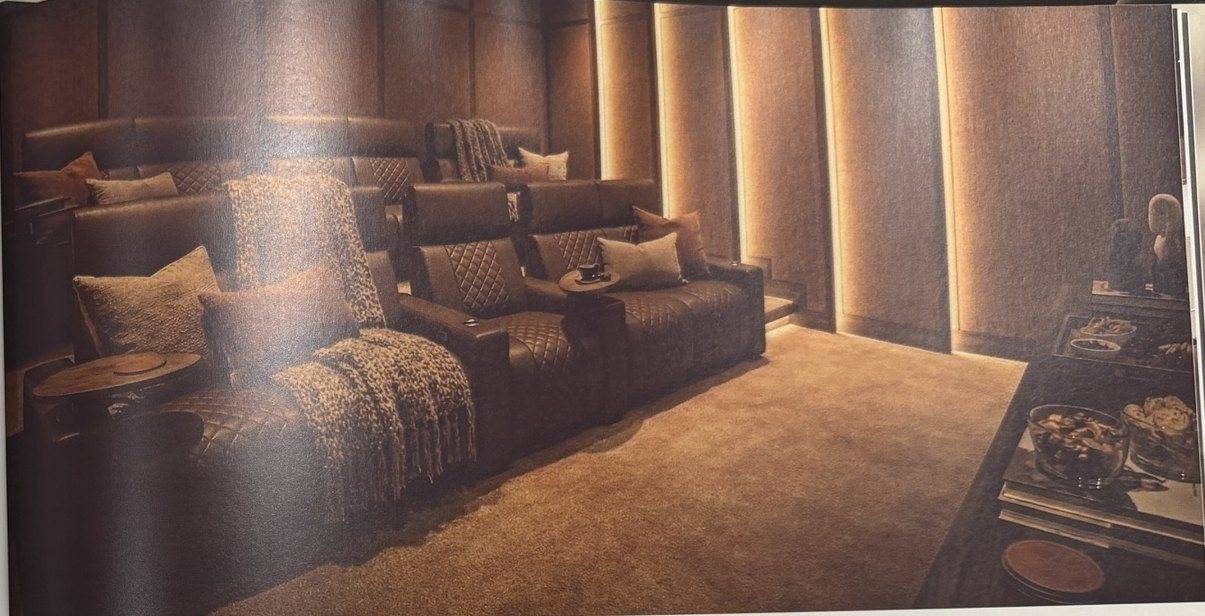
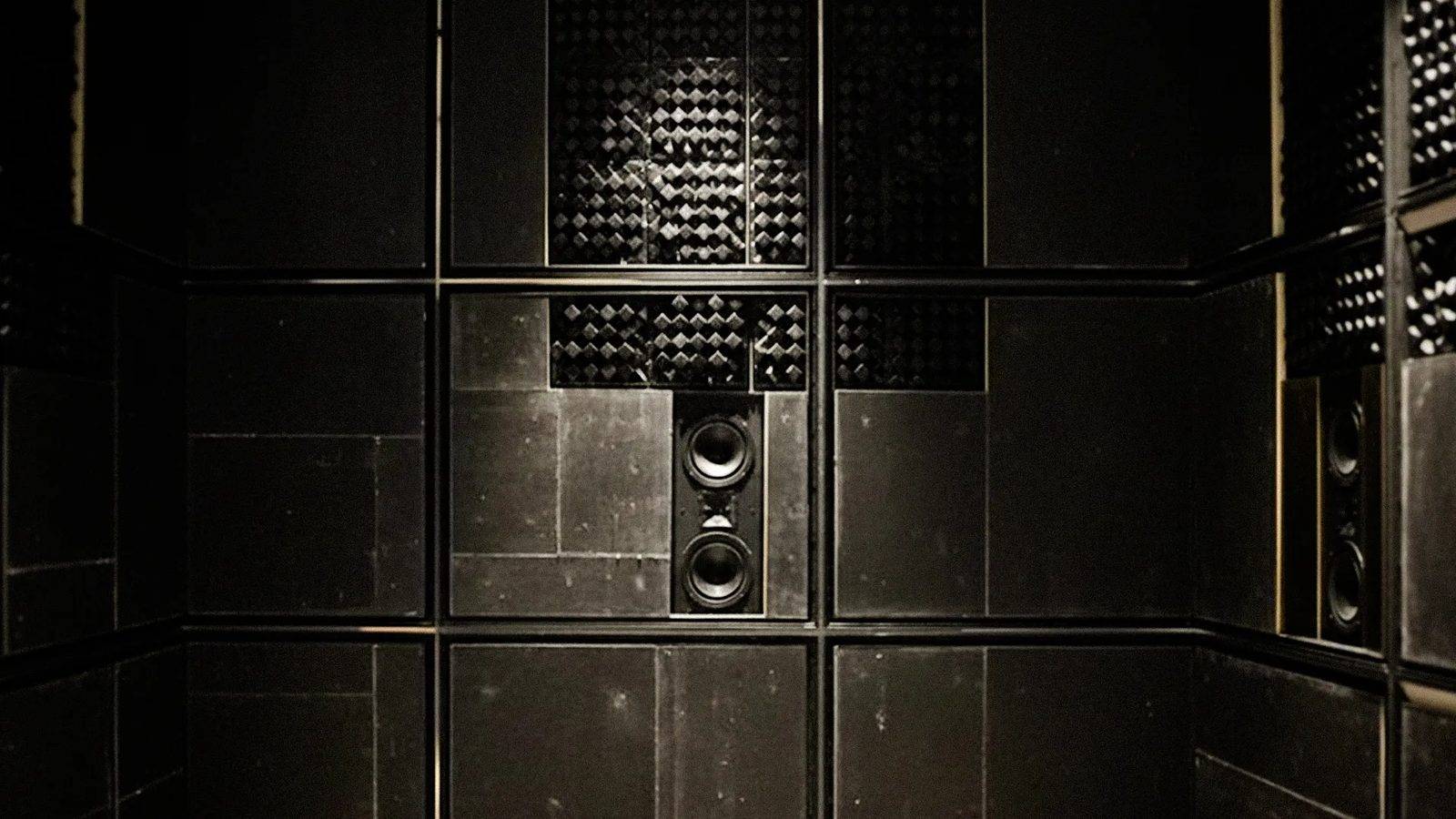
Yes. In a dedicated theater, the front speakers sit behind an acoustically transparent screen and the surrounds and overheads sit behind acoustic fabric. In living spaces, small aperture and trimless in-ceiling speakers nearly vanish, and hidden subwoofers send bass through a small grille. We plan each location in the drawings.
How many speakers does a luxury home theater need?
Most dedicated theaters start at 7.2.4, meaning seven ear level speakers, two subwoofers and four overhead speakers. Larger rooms with two or three rows often move to 9.4.6 or more so every seat hears effects in the right place. The seating plan sets the count, not a number on a box.
Do we need a separate processor and amplifiers, or will a receiver do?
A good receiver suits a media room with a modest speaker count. A dedicated theater with many channels, several subwoofers and demanding speakers benefits from a separate processor and amplifiers: more channels, more power, more advanced room correction and better long-term flexibility.
Why do you use more than one subwoofer?
Low frequencies build up and cancel at different spots in a room, so one subwoofer gives uneven bass from seat to seat. Two to four subwoofers in planned positions, integrated with room correction, give tight and consistent bass across every row.
Will the theater be loud in the rest of the house?
Speakers and subwoofers do not decide that. Sound isolation built into the walls, ceiling, doors and HVAC decides how much reaches the rest of the home. We design the audio and coordinate isolation with your builder from the start.
Can the same system play music well?
Yes. A well designed theater is an excellent music room. We set up dedicated listening modes for stereo, with the processor configured so two channel recordings play from the front speakers and subwoofers, or upmixed across the room if you prefer.
What does calibration involve?
We measure every speaker and subwoofer from many positions across the seating area, set levels, distances and crossovers, run room correction, then check and adjust by ear with familiar films and music. Calibration is repeated if the room or equipment changes.
Keep exploring
A conversation about your theater
Tell us about the room, the way your family watches, and the feeling you want when the lights go down. We will bring CinemaTech's design team, our engineers and a plan.
Or call us at (781) 333-8003